How Social Media Recovery Influencers Can Harm Early Sobriety
Key Takeaways
- In early sobriety, social media can trigger cravings, stress, and relapse thinking.
- Some recovery influencer content spreads misinformation that can be unsafe.
- “Perfect recovery” posts can create shame, which increases relapse risk.
- Online support can feel real, but it can’t replace treatment, therapy, or a strong support system.
- You can protect your sobriety by setting boundaries, curating your feed, and choosing evidence-based help.
Introduction
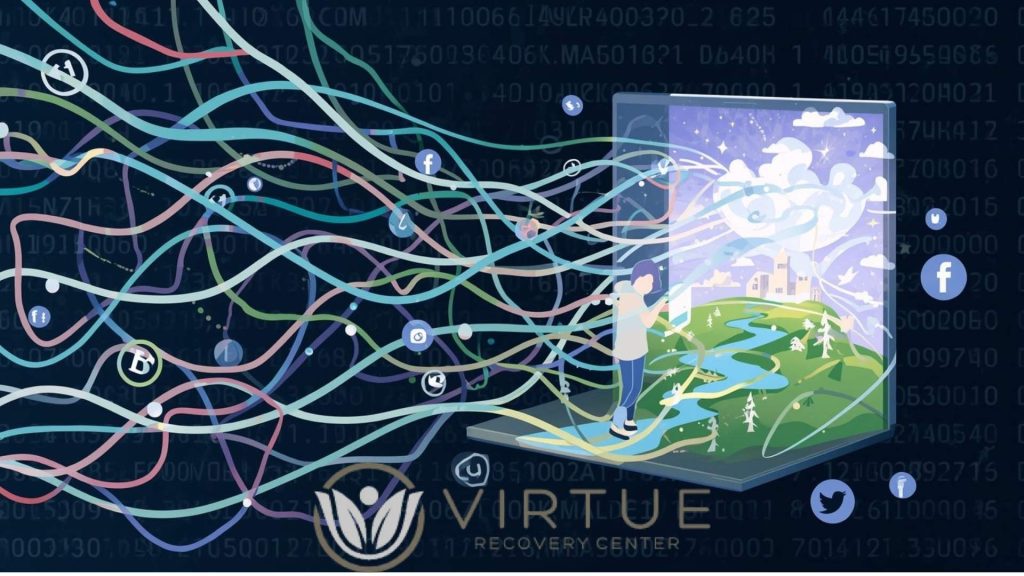
Social media can feel like a lifeline when you’re newly sober. You can find stories that give you hope. You can find people who “get it.” You might even feel less alone at 2 a.m. when your mind won’t settle down. Some recovery influencers truly help. They share honest struggles and kind reminders. But early sobriety is a sensitive time. Your brain and body are still healing. And the wrong kind of content can quietly pull you backward.
This article explains how social media recovery influencers can undermine early sobriety, what red flags to watch for, and how to use social media in ways that protect your recovery.
Why Early Sobriety Is So Sensitive to Outside Influence
Early recovery is not just a mindset shift. It’s a healing process. When you stop using drugs or alcohol, your brain needs time to reset. Cravings can come and go fast. Sleep can feel off. Moods can swing without warning.
It’s also normal to feel:
- More stress
- More emotions
- Less patience
- More fear of relapse
In this stage, even small triggers can feel huge. That’s why the wrong advice, the wrong message, or the wrong “recovery rule” online can be dangerous. Addiction is treatable, but it takes real support and time.
The Hidden Ways Recovery Influencers Can Cause Harm
Social media rewards content that gets attention. That usually means dramatic stories, strong opinions, and “hot takes.” It doesn’t always reward safe guidance. Here’s the issue: many influencers are not trained professionals. They might be well-meaning. But they may still share ideas that don’t fit your situation. Recovery is not one-size-fits-all.
Some creators also mix personal recovery advice with selling products, coaching, or paid groups. That can create pressure. It can also make you feel like you need their plan to stay sober. You don’t. You need a plan that aligns with your health, triggers, and risks.
Common Types of Influencer Content That Can Trigger Relapse
Not every post is harmful. But some types of content are more likely to throw you off balance.
“Before and after” content that glamorizes the past
Some creators talk about drug use as if it were exciting. Or they tell stories like a movie. That can wake up old memories. It can make relapse feel tempting again.
Party clips, bars, and drinking jokes
Even if the creator is sober, some videos still show alcohol, nightlife, or “fun times.” If you’re early in recovery, even a quick clip can trigger relapse thoughts.
Unrealistic daily routines
Some influencers share strict schedules like:
- 5 a.m. workouts
- perfect meals
- nonstop productivity
- “no excuses” mindset
That can make you feel weak if you’re struggling. Early sobriety is not the time to chase perfection. It’s time to stay stable.
Shame-based “tough love”
Some content pushes the idea that relapse only happens because you didn’t want recovery badly enough. That’s not true. Shame can lead to hiding, isolation, and stronger cravings.
Misinformation That Can Hurt Your Recovery
Misinformation in recovery content is common. And it can lead to unsafe choices. Here are examples of harmful messages:
“You don’t need treatment. You just need discipline.”
Real recovery support often includes treatment, therapy, and structured help. Substance Use Disorder (SUD) is a medical condition, not a character flaw.
“If you slip once, you failed.”
This creates all-or-nothing thinking. That mindset can turn a small setback into a full relapse.
“Cold turkey is always safe.”
Stopping some substances suddenly can be dangerous. Withdrawal can be serious and sometimes life-threatening, depending on the substance and the person.
“Replace alcohol with weed, and it’s fine.”
This might sound harmless online, but it can be risky for many people, especially those with addiction history, anxiety, or mood disorders.
The Comparison Trap: When Their Recovery Makes You Feel Worse
Comparison is one of the biggest hidden problems on social media. You may see someone celebrating 90 days sober. You may see someone with a new job, a perfect body, and a “new life.” Then you look at your own life and feel stuck. But social media shows highlights. It does not show cravings, panic attacks, loneliness, or relapses that never got posted. Early sobriety often looks messy. It looks quiet. It looks boring sometimes.
That doesn’t mean it’s not working.
Parasocial Support vs Real Support (And Why It Matters)
A parasocial relationship is when you feel close to someone online, even though they don’t know you.
This happens a lot in recovery spaces. You may watch the same creator every day. You may feel like they understand you. That feeling can be comforting.
But influencer support has limits:
- They can’t assess your mental health
- They can’t spot your relapse warning signs
- They can’t respond when you’re in crisis
- They can’t personalize treatment for you
Real support is different. It includes:
- A therapist
- A sponsor
- A recovery group
- A doctor or clinician
- A structured treatment program
Online content can be an extra support. But it should not be your foundation.
Signs Social Media Is Hurting Your Sobriety
If social media is helping your recovery, you should feel calmer and more grounded after scrolling.
If it’s hurting, you may notice:
- You feel triggered after watching recovery videos
- You feel more cravings than usual
- You start romanticizing your past use
- You feel anxious, angry, or ashamed
- You sleep worse because you scroll late at night
- You skip meetings or therapy because “online recovery is enough”
- You start bargaining: “Maybe I can handle just one…”
If you see these signs, your brain is telling you something important.
How to Use Social Media Safely in Recovery (Practical Tips)
Curate your feed like it’s part of your treatment plan
Your feed is not neutral. It shapes your mood.
Do this today:
- Unfollow accounts that trigger you
- Mute alcohol-heavy content
- Block pages that shame people in recovery
- Follow education-based recovery accounts
Even one trigger removed can lower relapse pressure.
Set boundaries that protect your brain
Boundaries are not dramatic. They are smart.
Try:
- 20-minute time limits
- No scrolling in bed
- No recovery content at night
- Phone-free mornings for the first hour
You can also replace scrolling with something that helps your body calm down, like a shower, a walk, or music.
Choose creators who promote safe recovery values
Safer creators usually:
- Encourage professional support
- Respect different paths to recovery
- Talk about relapse prevention clearly
- Avoid shame and fear tactics
- Admit they are not medical providers
If a creator makes you feel panicked, guilty, or “not good enough,” that’s a red flag.
Use “pause and check” when content hits hard
When a post triggers you, pause before you react.
Ask yourself:
- “Is this helping my sobriety today?”
- “Is this advice safe for my situation?”
- “Do I feel calm or activated right now?”
If you feel activated, step away and contact a real support person.
Conclusion
Recovery influencers can be inspiring. But early sobriety needs protection, not pressure. The goal is not to build a perfect recovery image online. The goal is to stay sober in real life. If social media is triggering cravings, shame, or confusion, you’re not broken. You’re reacting normally to content that isn’t designed for your safety.
Real recovery support can help you feel steady again. If you need help staying sober or rebuilding after relapse, call Virtue Recovery Center Las Vegas at 866-520-2861 to speak with a caring team about treatment options and long-term recovery support.
FAQs
Can social media trigger relapse in early recovery?
Yes. Social media can expose you to triggers, stress, and emotional comparison. These can increase cravings and relapse thinking.
Are recovery influencers always harmful?
No. Some are helpful and supportive. The risk is when the content spreads misinformation, creates shame, or replaces real treatment.
What’s the difference between peer support and influencer advice?
Peer support is usually two-way and personal, like that of a support group or a sponsor. Influencer advice is one-way and not tailored to your needs.
How do I know if recovery content is misinformation?
If it says treatment is useless, shame is the answer, or dangerous actions are “always safe,” it may be misinformation. Evidence-based recovery guidance is more balanced.
Should I delete social media during early sobriety?
Some people benefit from taking a break, especially if cravings increase after scrolling. Others do fine with strong boundaries and careful curation.
What should I follow online instead during recovery?
Look for trusted education sources, recovery resources, and mental health guidance from credible organizations. Avoid accounts that shame people or promote extreme “quick fixes.”
When should I get professional help for relapse risk?
If you’re having daily cravings, hiding use, slipping often, or feeling out of control, it’s time to reach out for professional support.
Resources
- SAMHSA — Recovery and Recovery Support
https://www.samhsa.gov/substance-use/recovery (SAMHSA) - National Institute on Drug Abuse (NIDA) — Treatment and Recovery
https://nida.nih.gov/publications/drugs-brains-behavior-science-addiction/treatment-recovery (nida.nih.gov) - CDC — Alcohol and Public Health
https://www.cdc.gov/alcohol/index.html (cdc.gov) - National Library of Medicine (NIH) — PubMed Central (PMC)
https://pmc.ncbi.nlm.nih.gov/ (pmc.ncbi.nlm.nih.gov)